
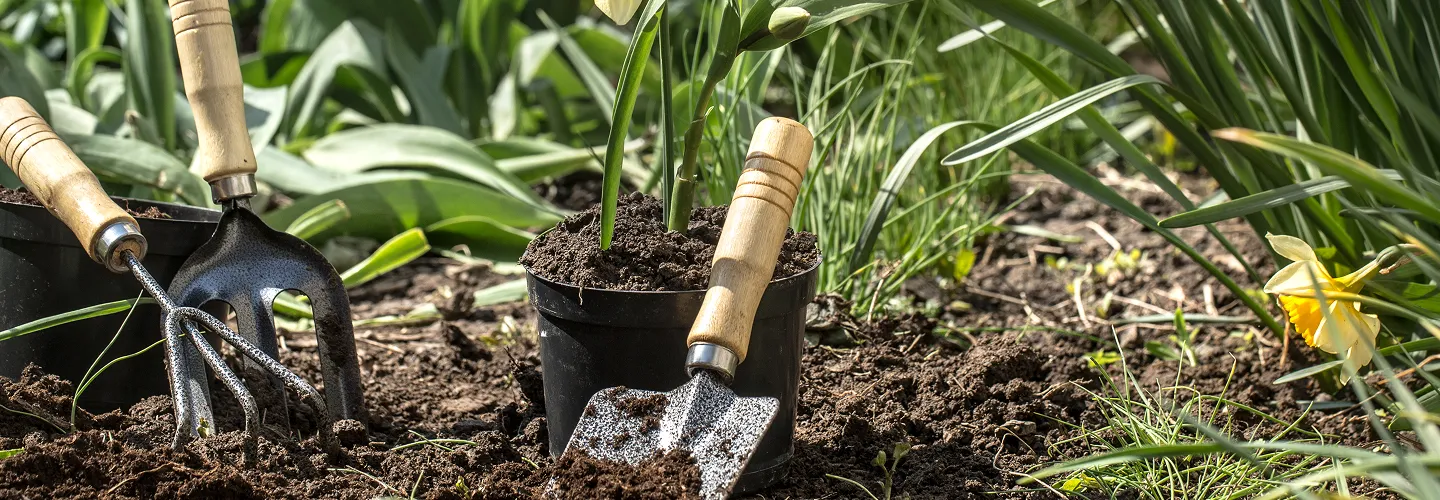
Port LaBelle Lawn Grubs Control Services
Choose our Lawn Grubs Control for proven, eco-friendly treatments that eliminate grubs at the source and keep your lawn healthy, green, and pest-free all season long.
Get a Free QuoteOur Port LaBelle Landscaping & Yard Care Services
When to Schedule Lawn Grubs Control in Port LaBelle, Florida – Seasonal Guide
In Port LaBelle, Florida, the best time to schedule lawn grubs control is typically in late spring through early summer, just as grubs begin to hatch and become active beneath the soil. The region’s subtropical climate, characterized by warm temperatures and high humidity, creates ideal conditions for grubs to thrive, especially after the last frost date in early March. Neighborhoods near the Port LaBelle Marina and along Riverbend Drive often experience increased grub activity due to their proximity to water and lush, irrigated lawns.
Local environmental factors such as sandy soils, common in the Laurel Oaks and Country Village areas, can make lawns more susceptible to grub infestations. Additionally, periods of drought followed by heavy rainfall, which are not uncommon in Port LaBelle, can stress turf and make it more vulnerable. Homeowners should also be aware of municipal guidelines and seasonal restrictions, which can be found on the official city website, to ensure treatments are applied safely and effectively.
Local Factors to Consider for Lawn Grubs Control in Port LaBelle
- Tree density and shade coverage, especially in neighborhoods like Laurel Oaks
- Soil type, with sandy soils being more prone to grub issues
- Seasonal precipitation patterns and drought risk
- Proximity to water features such as canals or the Caloosahatchee River
- Municipal restrictions or recommended treatment windows
- Terrain and drainage, which can affect grub movement and treatment efficacy
Benefits of Lawn Grubs Control in Port LaBelle

Effective Grub Elimination
Healthier, Greener Lawns
Eco-Friendly Treatment Options
Experienced Landscaping Professionals
Customized Lawn Care Plans
Long-Term Pest Prevention
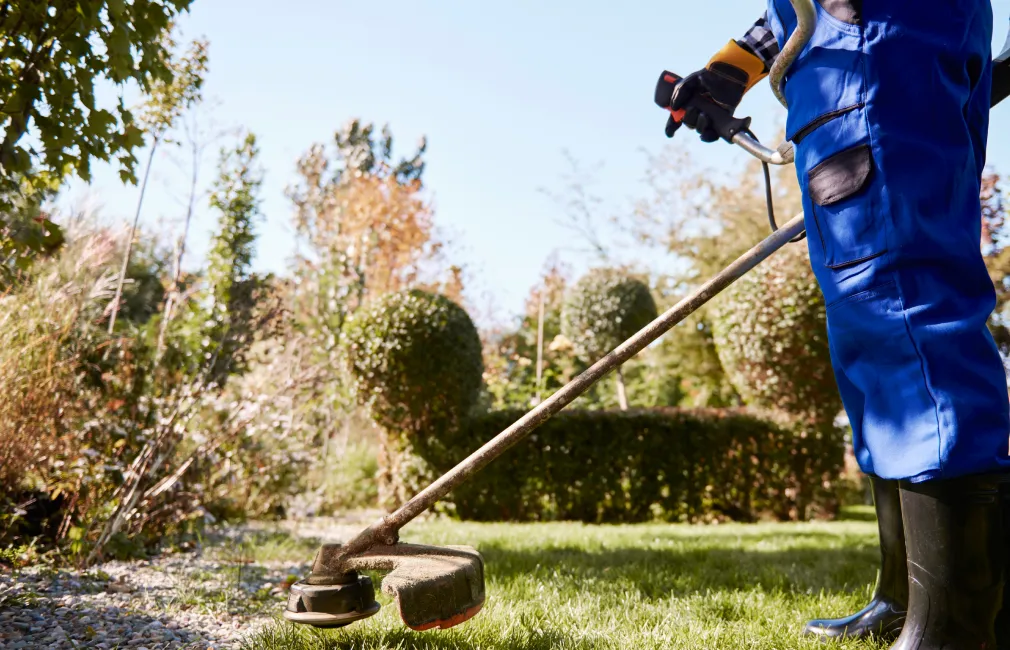
Port LaBelle Lawn Grubs Control Types

Preventative Grub Treatments
Protect your lawn by applying preventative solutions before grubs become active.
-
Curative Grub Control
Target existing grub infestations with fast-acting curative products.
-
Biological Grub Management
Utilize beneficial nematodes and natural predators to reduce grub populations.
-
Organic Grub Control
Choose eco-friendly options that are safe for pets, children, and the environment.
-
Seasonal Grub Monitoring
Regularly inspect your lawn to detect and address grub issues early.
-
Integrated Pest Management
Combine cultural, biological, and chemical methods for comprehensive grub control.
Our Lawn Grubs Control Process
Inspection and Identification
Customized Treatment Plan
Targeted Application
Monitoring and Follow-Up
Why Choose Port LaBelle Landscape Services
-
Port LaBelle Homeowners Trust Us
-
Expert Lawn Maintenance
-
Reliable Scheduling
-
Competitive Pricing
-
Professional Team
-
Satisfaction Guarantee
-
Personalized Service
Coordinating Lawn Grubs Control With Port LaBelle's Community Development District
Port LaBelle is an unincorporated community in Hendry County governed locally by the Port LaBelle Community Development District (PLCDD), which oversees infrastructure including drainage canals, swales, and stormwater systems throughout the community. Because lawn grubs control involves the application of pesticide products near these drainage features, residents and property managers should coordinate with the PLCDD to understand setback expectations and any community-level guidance on chemical applications adjacent to district-maintained canals and retention areas. Hendry County's planning department also administers land-use and code compliance matters that may affect how pest control activities are conducted on properties near sensitive environmental corridors.
- Confirm whether your property borders a PLCDD-maintained canal, swale, or drainage easement before scheduling grub treatments
- Contact Hendry County Planning for code compliance questions related to property maintenance and pest management on larger parcels
- Ensure that any contracted pest control operator holds valid FDACS pesticide applicator certification
Port LaBelle Community Development District
Official Website: Port LaBelle Community Development District
Hendry County Planning Department
Official Website: Hendry County Planning Department
How Port LaBelle's Inland Soils and Wet Season Shape Lawn Grubs Activity
Port LaBelle sits in South Florida's interior, within USDA Hardiness Zone 10a, where subtropical heat and a pronounced wet season from late May through October create conditions highly favorable to lawn grub populations. The community's soils are predominantly sandy and poorly drained, with a seasonally high water table that influences how grub larvae develop and how treatment products move through the soil profile. Several conditions directly affect grub management in this area:
- Sandy, low-organic soils allow rapid leaching of granular insecticides, reducing contact time with grub larvae and increasing the risk of product migration toward the water table
- High summer humidity and soil moisture accelerate the life cycle of tropical sod webworms, southern masked chafers, and other grub species common to South Florida turf
- Bahiagrass and St. Augustinegrass dominance in Port LaBelle lawns means root-zone damage from grubs can cause rapid turf decline during heat stress, as these warm-season grasses depend on shallow root systems already challenged by sandy substrates
- Proximity to canals and retention areas throughout Port LaBelle's subdivisions means that any runoff carrying pesticide residue can reach surface water quickly, making application technique and timing critical
Residents should reference the USDA Web Soil Survey for parcel-specific soil data before planning treatment strategies.
Regulatory Requirements for Lawn Grubs Pesticide Applications in Port LaBelle
Florida law imposes specific licensing and regulatory requirements on anyone applying pesticides for lawn grubs control. Under Florida Statutes Chapter 487, commercial pesticide applicators must hold a valid license issued by the Florida Department of Agriculture and Consumer Services (FDACS). Property owners applying products to their own residential lawns are generally exempt from licensing but remain subject to label-law compliance under both state and federal regulations.
- All pesticide applications must follow the product label exactly, which is enforceable under Florida and federal law
- Commercial operators performing grub control must carry a current FDACS pest control license appropriate to lawn and ornamental pest management
- Applications near PLCDD canals, swales, or stormwater conveyances must comply with the Florida DEP NPDES Stormwater Program, which regulates pollutant discharge into surface waters
- Hendry County does not operate as an incorporated municipality with its own fertilizer or pesticide ordinance separate from state law; however, property owners should verify current county-level requirements through the planning department
Florida Department of Environmental Protection
Official Website: Florida Department of Environmental Protection
Timing and Methods for Effective Lawn Grubs Control in Port LaBelle's Climate
Proper identification of the grub species present is the essential first step before any treatment. In Port LaBelle, the most common turf-damaging larvae include southern masked chafer grubs, May/June beetle larvae, and tropical sod webworm larvae, each with distinct life-cycle timing. UF/IFAS lawn care resources provide regionally calibrated guidance on identification and integrated pest management (IPM) approaches suited to South Florida conditions.
- Scouting: Pull back damaged turf in suspect areas and count grubs per square foot; treatment thresholds recommended by UF/IFAS extension guidance should be used rather than treating preventively without evidence of infestation
- Preventive timing: Where justified, preventive applications of products containing chlorantraniliprole are typically applied in spring before peak egg-laying periods; verify current extension recommendations rather than relying on Midwest-centric timing charts
- Curative timing: Curative products such as trichlorfon are applied when active larvae are confirmed in the root zone, generally during late summer through early fall in South Florida
- Irrigation coordination: Light irrigation immediately after granular application helps move product into the root zone where grubs feed, but excessive watering on Port LaBelle's sandy soils can push active ingredients below the target zone or into groundwater
- IPM integration: Maintaining proper mowing height for bahiagrass (3–4 inches) and St. Augustinegrass (3.5–4 inches) promotes deeper root systems that tolerate moderate grub feeding without visible decline
Residents served by the Port LaBelle Utility System should coordinate irrigation schedules with treatment applications to avoid overwatering during the post-application period.
Port LaBelle Utility System
Official Website: Port LaBelle Utility System
What Neighborhoods Do We Serve Throughout Port LaBelle, FL?
- Port LaBelle Unit 1 — One of the original subdivisions with established bahiagrass lawns on sandy lots where mature root systems may mask early grub damage until significant turf loss occurs
- Port LaBelle Unit 2 — Larger residential parcels adjacent to community drainage canals require careful pesticide placement to prevent product migration into surface water conveyances
- Port LaBelle Unit 4 — Properties in this section often feature St. Augustinegrass lawns with irrigation systems tied to the Port LaBelle Utility System, making post-treatment watering coordination essential
- Port LaBelle Ranchettes — Larger acreage lots with mixed turf and open ground where grub populations can establish across wide areas, requiring systematic scouting before treatment decisions
- Laurel Oaks — A neighborhood with mature tree canopy that creates partial shade conditions, influencing turf density and potentially concentrating grub activity in sunnier lawn sections
- Riverbend Estates — Properties near the Caloosahatchee River corridor where high water tables and organic-rich low areas demand heightened attention to pesticide runoff and groundwater protection