
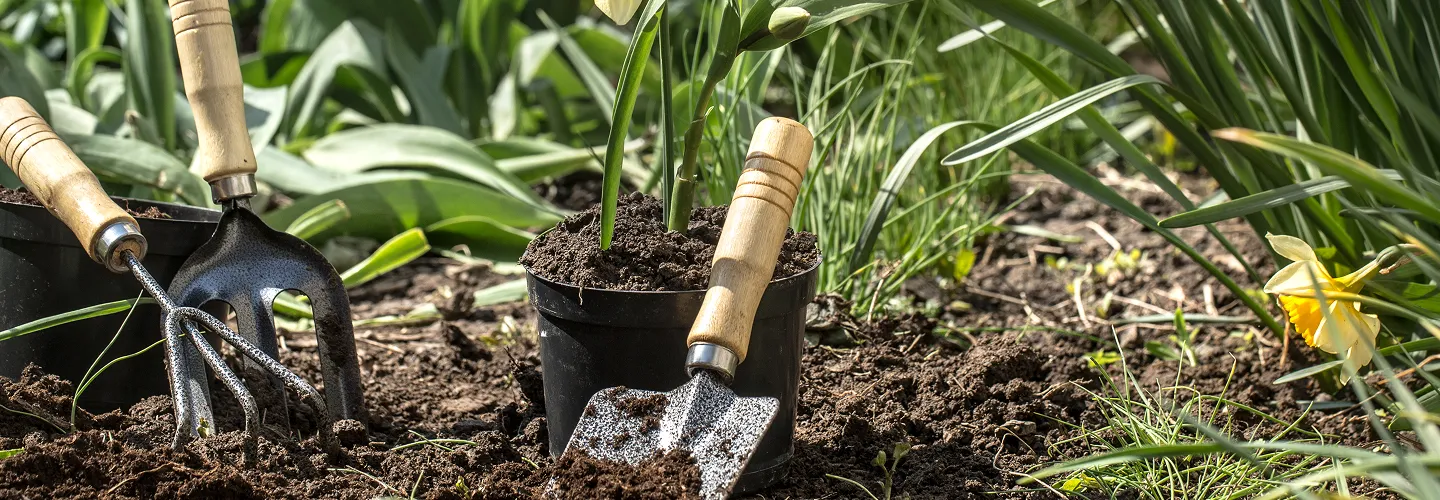
Port LaBelle Plant Removal Services
Choose our plant removal experts for safe, thorough, and environmentally responsible clearing—restoring your landscape’s beauty while protecting your property and the local ecosystem.
Get a Free QuoteOur Port LaBelle Landscaping & Yard Care Services
When to Schedule Plant Removal in Port LaBelle, Florida – Seasonal Guide
In Port LaBelle, Florida, the timing of plant removal is crucial for maintaining healthy landscapes and ensuring long-term curb appeal. The region’s subtropical climate, characterized by warm, humid summers and mild winters, means that plant growth can be vigorous year-round. However, the optimal window for removal typically falls between late winter and early spring, just after the last frost date and before the onset of the rainy season. This timing helps minimize stress on surrounding vegetation and reduces the risk of soil erosion, especially in neighborhoods near the Caloosahatchee River or around Port LaBelle Marina.
Local environmental factors such as high humidity, periodic drought risk, and the sandy soils common in areas like Laurel Oaks and Lakewood Park play a significant role in determining the best time for plant removal. Shade coverage from mature oaks or palms, as seen along Birchwood Parkway, can also impact the process. Additionally, homeowners should be aware of municipal guidelines and seasonal restrictions, which can be found on the official city website, to ensure compliance and avoid unnecessary delays.
Local Factors to Consider for Plant Removal in Port LaBelle
- Tree density and proximity to structures
- Terrain slope and soil drainage characteristics
- Seasonal precipitation patterns and drought risk
- Shade coverage from established canopy
- Municipal restrictions and permit requirements
- Proximity to water bodies or protected areas
Benefits of Plant Removal in Port LaBelle
Expert Landscaping Services
Efficient Plant Removal
Eco-Friendly Disposal Methods
Improved Curb Appeal
Customized Solutions
Licensed and Insured Team
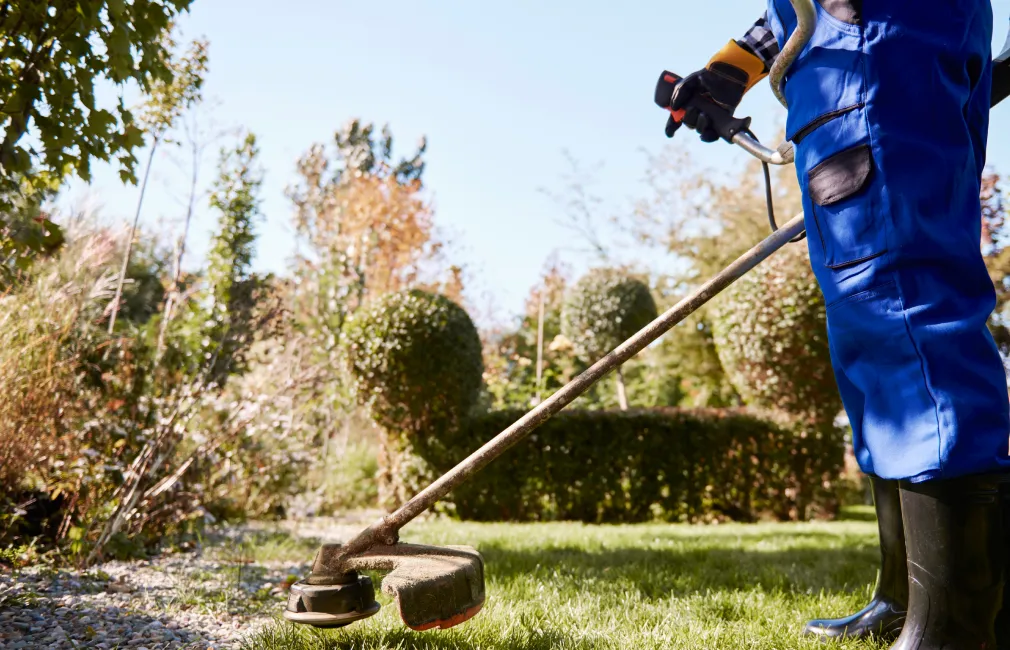
Port LaBelle Plant Removal Types

Invasive Species Removal
-
Tree Stump Extraction
-
Shrub and Bush Clearing
-
Root System Removal
-
Overgrown Vegetation Clearing
-
Dead Plant Disposal
-
Selective Plant Thinning
Our Plant Removal Process
Site Evaluation
Preparation and Safety Measures
Plant Uprooting
Debris Removal
Site Restoration
Why Choose Port LaBelle Landscape Services
-
Port LaBelle Homeowners Trust Us
-
Expert Lawn Maintenance
-
Reliable Scheduling
-
Competitive Pricing
-
Professional Team
-
Satisfaction Guarantee
-
Personalized Service
Coordinating Plant Removal With Port LaBelle's Community Development District and County Departments
Port LaBelle is an unincorporated community within Hendry County, meaning plant removal coordination involves both the Port LaBelle Community Development District (PLCDD) and Hendry County departments rather than a single municipal government. The PLCDD oversees local infrastructure including drainage canals, swales, and common-area maintenance, making it a critical point of contact when plant removal occurs near district-maintained waterways or easements. Residents and property managers should verify current vegetative debris disposal procedures through the county, as collection schedules and accepted materials may differ from incorporated municipalities. Before removing large plantings adjacent to canal banks, retention areas, or utility easements, property owners should confirm whether the PLCDD or Hendry County Engineering office holds jurisdiction over the affected area.
- Contact the PLCDD for plant removal near district-maintained canals, swales, or drainage infrastructure
- Verify vegetative debris pickup schedules and bundling requirements through Hendry County
- Confirm right-of-way boundaries before removing vegetation along roadside frontages or shared easements
- Coordinate with the county engineer's office when removal involves grading, drainage flow, or erosion concerns near engineered structures
Port LaBelle Community Development District
Official Website: Port LaBelle Community Development District
Hendry County Engineer's Office
Official Website: Hendry County Engineer Contact Information
How Port LaBelle's Inland Subtropical Climate and Soils Affect Plant Removal
Port LaBelle sits in USDA Hardiness Zone 10a within South Florida's inland subtropical corridor, where conditions differ markedly from coastal communities. The area receives approximately 50–55 inches of annual rainfall, concentrated heavily from June through October, which drives rapid regrowth of removed vegetation and complicates site stabilization after extraction. Soils in the Port LaBelle area are predominantly sandy flatwoods and poorly drained fine sands, often with a high seasonal water table that can rise to within inches of the surface during wet months. These conditions create several challenges specific to plant removal:
- Root-zone saturation: Saturated sandy soils lose structural cohesion, making mechanical extraction more likely to disturb surrounding grade and drainage flow
- Rapid invasive regrowth: Species such as Brazilian pepper, melaleuca, and earleaf acacia exploit disturbed soil quickly in Port LaBelle's warm, humid conditions, requiring prompt site stabilization after removal
- Canal and swale proximity: Many Port LaBelle lots border district-maintained drainage canals where exposed soil can erode directly into the stormwater system
- Organic debris decomposition: High heat and humidity accelerate decomposition of root masses and debris left on-site, potentially attracting pests or creating anaerobic conditions in low-lying areas
Property owners can reference the USDA Web Soil Survey to identify specific soil drainage classifications on their parcels before planning removal work.
Navigating Hendry County's Regulatory Framework for Plant Removal Compliance
Because Port LaBelle falls under Hendry County jurisdiction, regulatory compliance for plant removal involves county-level land development codes rather than municipal ordinances. Property owners should consult the Hendry County Planning Department to determine whether removal of established vegetation triggers site-plan review, particularly on parcels within flood-prone zones or adjacent to environmentally sensitive areas. Florida law also governs several aspects of plant removal work:
- Any herbicide application used to treat stumps, root systems, or invasive regrowth requires a licensed applicator under FDACS Pesticide Applicator Certification and Licensing requirements
- Removal activities that expose bare soil on sites draining toward canals, retention ponds, or swales must comply with stormwater discharge standards under the Florida DEP NPDES Stormwater Program
- Disposal of invasive species such as Brazilian pepper or melaleuca should follow county-accepted methods to prevent spread; these species should not be chipped and left as mulch on-site
- The Florida Department of Environmental Protection maintains oversight of wetland-adjacent removal where disturbance could affect jurisdictional boundaries
Verify current land-clearing thresholds and any required erosion-control measures through the county planning office before beginning large-scale removal.
Hendry County Planning Department
Official Website: Hendry County Planning Department
Timing and Methods for Plant Removal Around Port LaBelle's Wet Season Cycles
Professional plant removal in Port LaBelle requires careful timing relative to the area's pronounced wet and dry seasons. The dry season, typically November through May, offers the most favorable conditions for extraction, hauling, and site stabilization. During this window, lower water tables improve soil stability, reduce equipment rutting, and allow exposed areas to be graded and stabilized before the onset of heavy summer rains. Key professional standards for Port LaBelle conditions include:
- Pre-removal site assessment: Identify drainage flow paths, canal setbacks, and utility lines before any mechanical extraction; the UF/IFAS guide to Protecting Florida's Water Resources outlines best practices for preventing sediment and nutrient discharge
- Root-zone management: In Port LaBelle's sandy soils, complete root extraction often leaves voids that must be backfilled and compacted to prevent settlement and ponding
- Erosion control: Silt fencing or erosion blankets should be installed immediately on slopes or canal-adjacent parcels where bare soil is exposed
- Debris routing: Vegetative debris should be separated from soil and root balls for proper disposal; mixing soil with green waste may violate county disposal standards
- Invasive species protocol: Removed invasive plant material should be bagged or transported directly to an approved disposal site rather than stockpiled on the property
Scheduling removal during the early dry season allows adequate time for replanting or ground-cover establishment before the following wet season accelerates erosion risk.
What Neighborhoods Do We Serve Throughout Port LaBelle, FL?
- Port LaBelle Unit 1: One of the original subdivisions with established landscaping and mature plantings that may require removal due to overgrowth, root intrusion into drainage swales, or storm damage along canal-adjacent lots
- Port LaBelle Unit 2: Features residential parcels with sandy flatwoods soils and proximity to district-maintained canal systems, where plant removal must account for bank stabilization and drainage flow preservation
- Port LaBelle Ranchettes: Larger rural-residential lots where invasive species such as Brazilian pepper and melaleuca frequently colonize fence lines, pasture edges, and unmaintained areas, requiring systematic removal and follow-up treatment
- Laurel Oaks: A subdivision with moderate lot sizes and established shade trees where understory plant removal often involves working around mature root zones and irrigation infrastructure
- Caloosa Estates: Properties in this area frequently border low-lying drainage corridors where plant removal requires attention to seasonal water table fluctuations and erosion prevention along swale edges
- Port LaBelle Unit 4: Parcels here may include fill-based soils from original development grading, affecting root extraction depth and post-removal settlement patterns