
Port LaBelle Hedging Services
Choose our professional hedging services for precise, healthy, and beautifully shaped hedges that enhance your property’s privacy, value, and visual appeal year-round.
Get a Free QuoteOur Port LaBelle Landscaping & Yard Care Services
When to Schedule Hedging in Port LaBelle, Florida – Seasonal Guide
In Port LaBelle, Florida, the best times to schedule hedging are shaped by our unique subtropical climate and the specific needs of local landscapes. With warm temperatures prevailing most of the year and a distinct wet and dry season, timing your hedging services can make a significant difference in plant health and curb appeal. For neighborhoods near the Caloosahatchee River or around Port LaBelle Marina, hedging is often best performed in late winter or early spring, just after the last expected frost and before the onset of heavy summer rains. This timing encourages healthy regrowth and helps maintain the manicured look prized in communities like Laurel Oaks and Riverbend Estates.
Local environmental factors such as high humidity, sandy soils, and occasional drought conditions also play a role in determining the optimal hedging schedule. Areas with dense shade from mature oaks or palms, like those near Helms Road Park, may require more frequent attention to prevent overgrowth. Additionally, municipal guidelines and seasonal water restrictions—outlined by the local government—should always be considered when planning your landscape maintenance.
Local Factors to Consider for Hedging in Port LaBelle
- Tree and shrub density in your yard
- Proximity to water bodies and flood-prone zones
- Soil type (sandy vs. loamy)
- Annual precipitation and drought risk
- Shade coverage from mature trees
- Neighborhood-specific municipal restrictions
- Terrain and accessibility for equipment
Benefits of Hedging in Port LaBelle
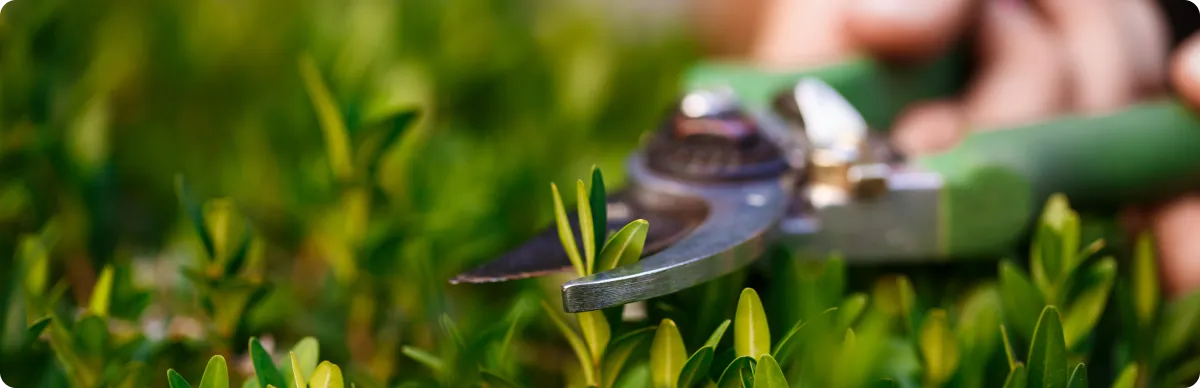
Expert Hedge Trimming
Customized Landscape Solutions
Enhanced Property Value
Reliable Local Service
Eco-Friendly Practices
Year-Round Maintenance
Port LaBelle Hedging Types

Boxwood Hedges
-
Privet Hedges
-
Podocarpus Hedges
-
Clusia Hedges
-
Viburnum Hedges
-
Ficus Hedges
-
Holly Hedges
Our Hedging Process
Consultation
Site Preparation
Precision Trimming
Cleanup
Why Choose Port LaBelle Landscape Services
-
Port LaBelle Homeowners Trust Us
-
Expert Lawn Maintenance
-
Reliable Scheduling
-
Competitive Pricing
-
Professional Team
-
Satisfaction Guarantee
-
Personalized Service
Coordinating Hedge Maintenance with Port LaBelle's Community Development District
Port LaBelle is an unincorporated community within Hendry County, meaning that local infrastructure oversight, common-area landscaping standards, and community maintenance coordination fall largely under the Port LaBelle Community Development District (CDD) rather than a traditional municipal government. Property owners planning hedge work along shared boundaries, canal easements, or district-maintained rights-of-way should verify whether the CDD imposes any restrictions on vegetation height, setback clearance, or debris placement before beginning work. Hedging that encroaches on drainage easements or obstructs stormwater conveyance infrastructure may trigger corrective action from the district or county engineering staff.
- Confirm whether hedges border any CDD-maintained canal banks, swales, or drainage easements before trimming or reshaping
- Coordinate vegetative debris removal so that clippings do not accumulate in roadside swales or canal edges
- Review lot-specific plat restrictions through the CDD or Hendry County Planning Department for frontage visibility or height limitations
Port LaBelle Community Development District
Official Website: Port LaBelle Community Development District
Hendry County Planning Department
Official Website: Hendry County Planning Department
How Port LaBelle's Subtropical Climate and Soils Shape Hedging Cycles
Port LaBelle sits in USDA Hardiness Zone 10a, within the inland subtropical corridor of South Florida. The area receives approximately 50–55 inches of rainfall annually, with the majority concentrated during the wet season from late May through October. This intense seasonal moisture, combined with sustained summer temperatures frequently exceeding 90°F and high ambient humidity, drives rapid flush growth in common hedge species such as Ficus, Clusia, Cocoplum, and Viburnum. Soils in the Port LaBelle area are predominantly sandy and poorly drained, often with a high seasonal water table that can saturate root zones during the wet season. These conditions influence hedge health and shaping frequency in several ways:
- Rapid vegetative growth during the wet season may require hedges to be shaped every four to six weeks to maintain form and prevent overgrowth into sidewalks, driveways, or sight triangles
- Sandy soils with low organic content drain quickly during the dry season, increasing irrigation dependence for hedge species that are not deeply established
- High humidity promotes fungal pressure on dense hedge canopies, making proper airflow through selective interior thinning an important maintenance consideration
- The high water table can limit deep root development, leaving hedges more vulnerable to wind displacement during summer storms
The USDA Plant Hardiness Zone Map and USDA Web Soil Survey provide site-specific data useful for species selection and planting decisions.
Navigating Hendry County's Land Use and Environmental Rules for Hedging
Because Port LaBelle is unincorporated, hedge-related regulatory oversight is administered at the county level through Hendry County's planning and engineering departments rather than through a city code office. Property owners should be aware of several compliance layers that may affect hedging work:
- Hendry County land development regulations may include provisions for sight-triangle clearance at intersections and driveway aprons, requiring hedges to remain below specified heights within defined setback areas—verify current thresholds through the county planning office
- Hedges planted along canal banks or within drainage easements managed by the South Florida Water Management District must not obstruct water flow or impede maintenance access
- Any chemical treatments applied to hedges, including herbicides for weed suppression at the base or fungicides for canopy disease, must comply with Florida Statutes Chapter 487, which requires commercial applicators to hold valid FDACS pesticide applicator licenses
- Vegetative debris from hedging operations must not be deposited into swales, canals, or stormwater conveyance features, consistent with Florida DEP NPDES stormwater program requirements
Hendry County Engineer's Office
Official Website: Hendry County Engineer Contact Information
Timing and Methods for Professional Hedge Shaping in Port LaBelle
Effective hedge maintenance in Port LaBelle requires scheduling around the area's pronounced wet and dry seasons and adapting techniques to the subtropical growth patterns of commonly planted species. The following standards reflect professional practice suited to inland South Florida conditions:
- Primary shaping season: The most intensive hedge trimming typically occurs from April through October, when warm temperatures and frequent rainfall produce the fastest canopy growth; shaping intervals of four to six weeks are common during this period for formal hedges
- Dry-season maintenance: From November through April, growth slows considerably, and hedges may only require light corrective trimming every eight to twelve weeks; irrigation should be monitored to prevent stress-related dieback on exposed faces
- Storm preparation: Before the peak of hurricane season in August and September, hedges should be reduced in height and density where appropriate to minimize wind resistance and reduce the volume of potential storm debris
- Equipment and technique: Power hedge trimmers should produce clean cuts rather than tearing foliage, which invites fungal entry in humid conditions; interior thinning on dense species like Ficus or Clusia improves airflow and reduces pest harborage
- Debris management: All clippings should be collected on-site and removed or properly staged for pickup, never swept into swales, canal banks, or storm drainage infrastructure
Residents can consult UF/IFAS Gardening Solutions for additional guidance on protecting water resources during landscape maintenance activities.
What Neighborhoods Do We Serve Throughout Port LaBelle, FL?
- Port LaBelle Unit 1 — One of the original platted sections of the community, featuring established lots with mature hedge plantings along property lines and canal-adjacent parcels that require careful debris management during trimming
- Port LaBelle Unit 2 — Residential lots in this section often border internal drainage canals, making hedge height and root-zone management important for maintaining stormwater conveyance access
- Port LaBelle Unit 4 (Laurel Oaks) — This area includes newer development with smaller lot sizes where hedges serve as primary privacy screening, requiring more frequent shaping to prevent encroachment on neighboring properties and sidewalks
- Port LaBelle Unit 6 — Larger rural-residential parcels in this section may feature mixed native and ornamental hedgerows along fence lines and road frontages, with less frequent but more extensive trimming needs
- Port LaBelle Unit 9 (Caloosa Estates) — Properties here tend toward larger acreage with hedges used for windbreak and boundary definition, often requiring coordination with adjacent agricultural land uses
- Aqua Isles — A mobile home and residential community within the Port LaBelle area where compact lot layouts make hedge overgrowth a common concern for visibility and neighbor relations