
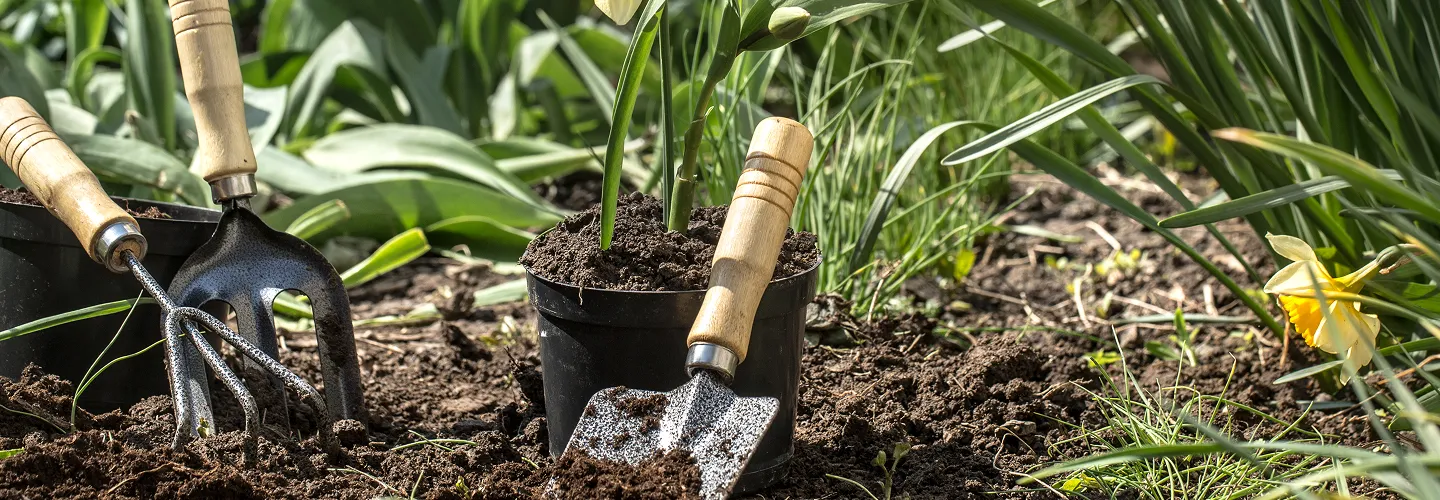
Port LaBelle Flower Planting Services
Choose our flower planting services for vibrant, healthy blooms that enhance your home's curb appeal and create a welcoming outdoor space—our experienced team selects the best flowers for your soil and climate, ensuring lasting beauty all season long.
Get a Free QuoteOur Port LaBelle Landscaping & Yard Care Services
When to Schedule Flower Planting in Port LaBelle, Florida – Seasonal Guide
Flower planting in Port LaBelle, Florida, is best scheduled with careful attention to our region’s unique subtropical climate and local landscape features. The optimal planting windows typically fall between late October and early April, when temperatures are milder and the risk of frost is minimal. Neighborhoods near Port LaBelle Marina and along Riverbend Drive often benefit from early spring planting, as the soil retains warmth and moisture from winter rains, supporting healthy root development.
Local environmental factors such as high humidity, sandy soils, and occasional drought conditions play a significant role in determining the best time for planting. Areas with dense shade, like those near Laurel Oaks Park, may require different timing and flower selections compared to sunnier, open lots. It’s also important to consider municipal guidelines and water restrictions, which can be found on the official town website, to ensure compliance and sustainable landscaping practices.
Local Factors to Consider for Flower Planting in Port LaBelle
- Proximity to Caloosahatchee River and its effect on soil moisture
- Tree density and shade coverage in neighborhoods like Laurel Oaks Park
- Seasonal precipitation patterns and drought risk
- Soil type, especially sandy or well-drained soils common in Port LaBelle
- Municipal watering restrictions and local landscaping ordinances
- Terrain variations, such as low-lying areas prone to flooding
Benefits of Flower Planting in Port LaBelle
Enhanced Curb Appeal
Increased Property Value
Expert Plant Selection
Seasonal Color Variety
Low-Maintenance Solutions
Eco-Friendly Landscaping
Port LaBelle Flower Planting Types

Annual Flower Beds
-
Perennial Garden Design
-
Native Wildflower Plantings
-
Seasonal Color Displays
-
Pollinator-Friendly Gardens
-
Drought-Tolerant Flower Selections
-
Shade-Loving Flower Arrangements
Our Flower Planting Process
Site Evaluation
Soil Preparation
Flower Selection
Planting
Watering and Mulching
Why Choose Port LaBelle Landscape Services
-
Port LaBelle Homeowners Trust Us
-
Expert Lawn Maintenance
-
Reliable Scheduling
-
Competitive Pricing
-
Professional Team
-
Satisfaction Guarantee
-
Personalized Service
Coordinating Flower Planting Projects with Port LaBelle's Community Development District
Port LaBelle is an unincorporated community in Hendry County governed locally by the Port LaBelle Community Development District (CDD), which oversees infrastructure, drainage systems, and common-area maintenance throughout the community's subdivisions. Residents and property managers planning flower planting projects should coordinate with the CDD when work occurs near district-maintained swales, canal banks, or drainage easements, as plantings in these areas can obstruct water flow or interfere with maintenance access. Hendry County's Planning Department handles land-use compliance and may apply review requirements for larger-scale landscape modifications on commercial or multifamily parcels. Before beginning any flower planting project, property owners should confirm whether their lot falls within a CDD-maintained zone and verify current setback or easement restrictions.
- Contact the Port LaBelle CDD for guidance on planting near district drainage infrastructure
- Verify lot-specific easement boundaries before installing flower beds along swales or canal edges
- Coordinate with Hendry County Planning for commercial or multifamily landscape modifications
- Confirm that proposed plantings will not impede stormwater conveyance or maintenance vehicle access
Port LaBelle Community Development District
Official Website: Port LaBelle Community Development District
Hendry County Planning Department
Official Website: Hendry County Planning Department
How Port LaBelle's Inland Subtropical Climate Shapes Flower Planting Success
Port LaBelle sits in USDA Hardiness Zone 10a, classified within the South Florida inland subtropical region. The area receives approximately 50–55 inches of rainfall annually, with the majority concentrated during the wet season from June through October. This seasonal pattern creates distinct challenges and opportunities for flower planting. The community's soils are predominantly sandy and low in organic matter, leading to rapid nutrient leaching and poor moisture retention without amendment. The high water table common across Hendry County's flatwoods terrain means root zones can become saturated during heavy summer rains, making drainage a critical consideration for bed preparation.
- Summer heat and humidity: Sustained temperatures above 90°F combined with high humidity promote fungal pressure on flower plantings, particularly in beds with poor air circulation
- Sandy, nutrient-poor soils: Native soils drain quickly but hold few nutrients, requiring organic amendments such as composted material to support flowering annuals and perennials
- Wet-season saturation: Beds installed without adequate elevation or drainage can experience root rot during prolonged summer rainfall events
- Dry-season irrigation dependence: From November through May, rainfall drops significantly, and flower plantings require consistent supplemental irrigation to survive
- Reflected heat: Properties with adjacent driveways, sidewalks, or light-colored structures experience amplified heat stress on nearby flower beds
Residents can reference the USDA Plant Hardiness Zone Map to confirm zone-appropriate species selections for Port LaBelle's climate.
Navigating Hendry County's Regulatory Framework for Flower Planting Compliance
Flower planting in Port LaBelle falls under Hendry County's land development and environmental regulations rather than a municipal code, since the community is unincorporated. Property owners should be aware of several regulatory layers that may affect planting projects. Stormwater management is a primary concern; the Florida Department of Environmental Protection administers NPDES stormwater permits that govern how runoff from landscaped areas reaches local waterways, including the Caloosahatchee River watershed. Any soil amendments, fertilizers, or pest-control products applied during or after flower installation must comply with Florida Statutes §403.9337, which establishes the model ordinance for Florida-Friendly fertilizer use on urban landscapes. Pesticide applications associated with flower bed preparation or maintenance require proper licensing through the Florida Department of Agriculture and Consumer Services.
- Verify that flower bed installations near canal banks or retention areas do not encroach on drainage easements maintained by the CDD or South Florida Water Management District
- Ensure fertilizer applications follow nutrient management guidelines, including appropriate setback distances from water bodies
- Confirm that any commercial pesticide applicator working on flower beds holds a valid FDACS license
- Consult Hendry County's planning resources if flower planting is part of a broader site development or landscape renovation
Florida Department of Environmental Protection
Official Website: Florida Department of Environmental Protection
Timing and Preparing Flower Plantings Around Port LaBelle's Seasonal Conditions
Professional flower planting in Port LaBelle requires careful alignment with the area's subtropical seasonal cycles. The optimal primary planting window for warm-season annuals and perennials falls between mid-October and early December, when temperatures moderate, rainfall decreases, and new root systems can establish before the dry season's peak irrigation demand. A secondary planting window in late February through early April allows installation of heat-tolerant species before summer's most intense conditions arrive. Soil preparation is essential given Port LaBelle's sandy substrate; incorporating two to three inches of organic compost into the top six to eight inches of bed soil improves both moisture retention and nutrient availability.
- Species selection: Region-appropriate choices for Port LaBelle include pentas, lantana, firebush, blanket flower, and salvia, all of which tolerate Zone 10a heat and humidity; the EPA WaterSense program provides guidance on selecting water-efficient plantings
- Irrigation coverage: Drip emitters or micro-spray heads should be installed before planting to ensure uniform moisture delivery and minimize overspray onto hardscape or into swales
- Mulch application: Two to three inches of organic mulch around plantings reduces soil temperature, conserves moisture, and suppresses weed germination without smothering root crowns
- Drainage grading: Beds should be slightly elevated above surrounding grade to prevent standing water during wet-season downpours
- Freeze preparation: Although rare, Port LaBelle can experience brief cold events in January; frost-sensitive species should be positioned near structures or under tree canopy for thermal protection
What Neighborhoods Do We Serve Throughout Port LaBelle, FL?
- Port LaBelle Unit 1: One of the community's original subdivisions featuring established lots with mature shade trees, requiring careful flower species selection based on light exposure and root competition from existing canopy
- Port LaBelle Unit 2: Residential lots adjacent to the community's internal canal network, where flower bed placement must account for drainage easements and proximity to waterway banks
- Port LaBelle Unit 4: Properties in this section often feature open, sun-exposed yards well suited to full-sun flowering species, though sandy soils require thorough amendment before planting
- Laurel Oaks: A subdivision with moderate tree cover and typical CDD-maintained swale frontage, where flower installations along property edges should avoid obstructing stormwater flow
- Adelante Estates: Larger residential parcels that accommodate more extensive flower planting layouts, with irrigation planning particularly important given lot size and dry-season water demand
- Port LaBelle Ranchettes: Semi-rural lots with variable soil conditions and limited municipal irrigation infrastructure, making drought-tolerant native flowering species the most practical selections